The Influence of Gambling Affiliate Strategies on Mobile Slot Bonus Eligibility Rules in UK Markets
Greta Coleman · Aug 23, 2026
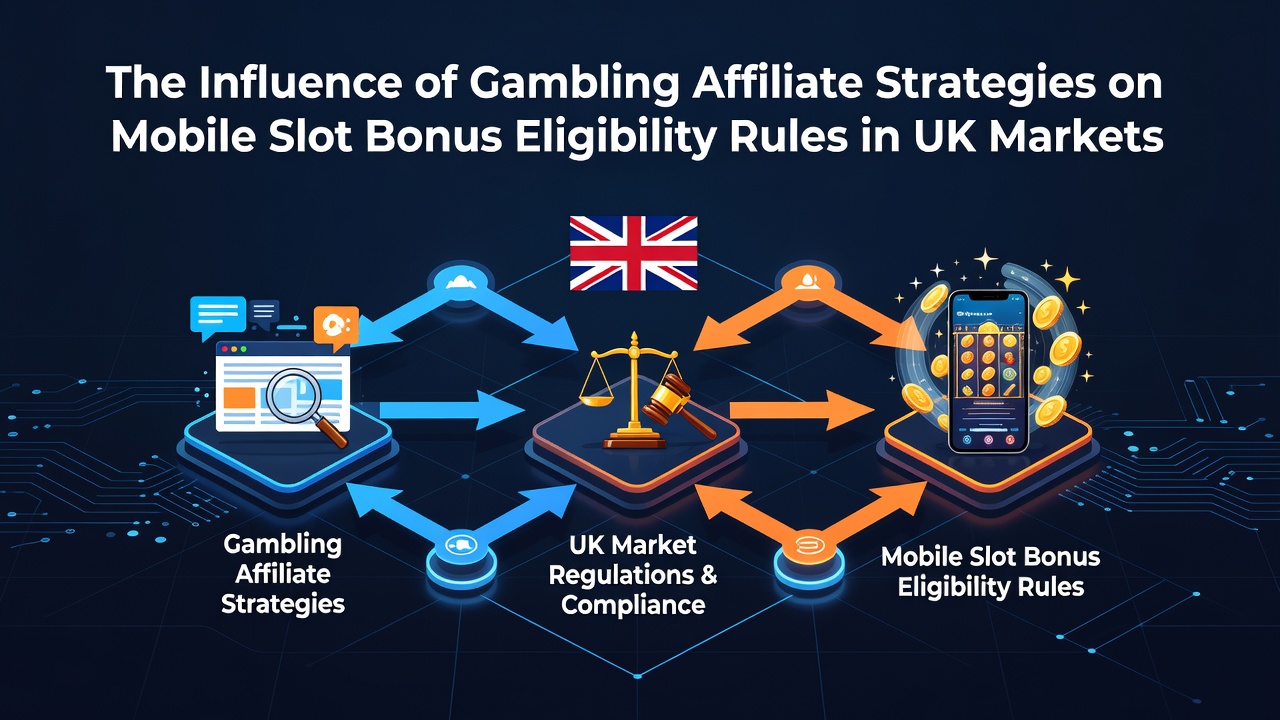
The Influence of Gambling Affiliate Strategies on Mobile Slot Bonus Eligibility Rules in UK Markets
Operators in the UK mobile slot sector have seen affiliate partnerships reshape the criteria that determine who can access promotional offers, with these arrangements often dictating specific eligibility thresholds tied to player location, device compatibility, and account history. Affiliates negotiate performance-based deals that push for targeted bonus structures, and data from Gambling Research Australia shows how such tactics lead to differentiated rules for mobile users compared with desktop players. These strategies frequently incorporate geo-fencing techniques and device-detection protocols that filter eligibility before any bonus activates.
Affiliate Negotiation Tactics and Bonus Filters
Marketing partners work directly with operators to set parameters around bonus availability, and they focus on metrics like conversion rates and retention periods that influence whether new mobile accounts qualify for welcome spins or deposit matches. In practice this means affiliates advocate for rules that reward high-engagement mobile segments while excluding low-value traffic sources, which results in eligibility lists that update dynamically based on campaign performance. Research from the American Gaming Association highlights similar patterns in other regulated markets where affiliate input drives the creation of tiered bonus systems that tie rewards to specific app downloads or OS versions.
Eligibility often hinges on verification steps that affiliates help streamline through integrated tracking links, yet these same tools allow operators to impose stricter checks on players originating from certain referral domains. One common approach involves limiting bonuses to users who complete registration via affiliate-promoted apps, and this creates a two-tier system where direct website visitors face different or reduced offers. Observers note that such segmentation has become more pronounced as mobile traffic accounts for an increasing share of overall activity in UK markets.
Device-Specific Rules and Regional Adaptations
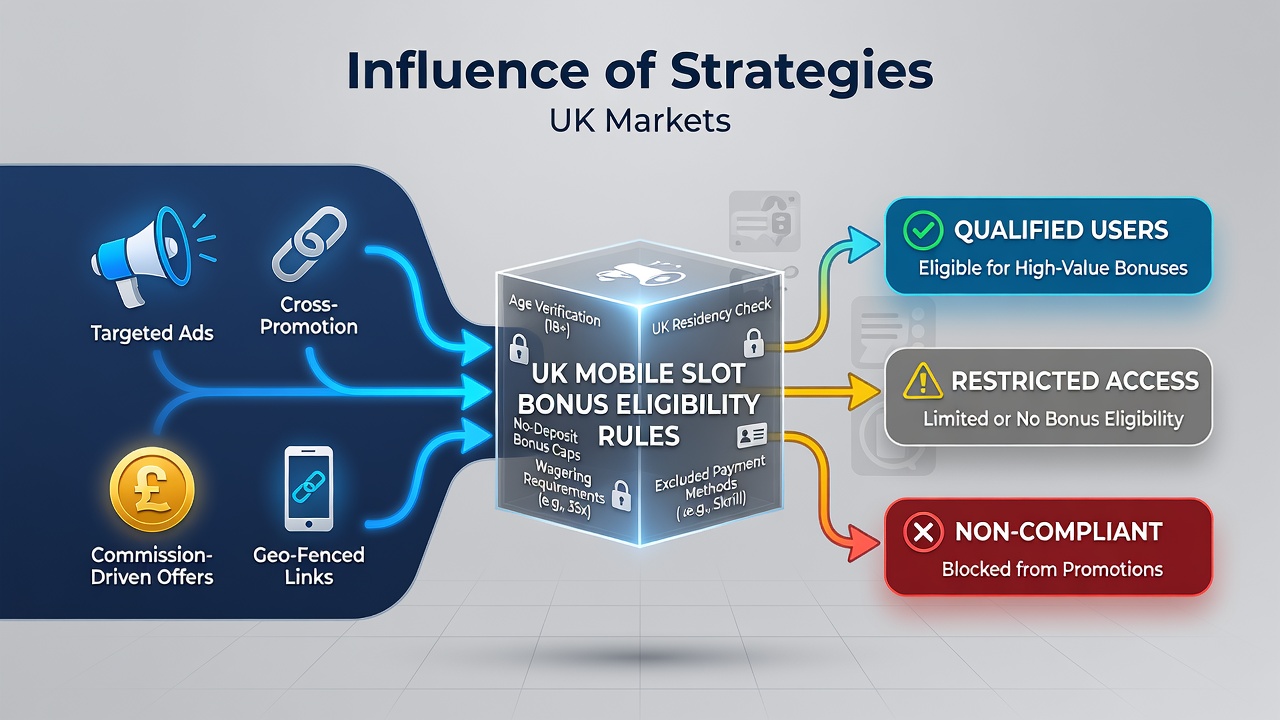
Mobile slot bonuses in the UK frequently carry eligibility clauses that reference screen resolution, operating system updates, and even battery optimization settings, all of which stem from affiliate requests for better user experience data. These technical filters help campaigns target engaged players while reducing bonus claims from casual browsers, and they evolve alongside new phone models released each year. By August 2026 several operators are expected to roll out enhanced compatibility lists that further refine which devices trigger full bonus eligibility, reflecting ongoing affiliate feedback loops.
Affiliates also influence how location-based rules interact with mobile bonuses, because campaigns often prioritize regions with favorable conversion statistics. This leads to eligibility frameworks that combine IP verification with SIM data checks, creating layered requirements that players must satisfy before any promotional credit appears. Studies from the University of Sydney's gambling research unit indicate that these combined checks have tightened across multiple jurisdictions, with affiliate-driven campaigns accelerating the adoption of multi-factor eligibility tests.
Player History Requirements Shaped by Performance Deals
Account age and prior deposit patterns now serve as common eligibility gates in mobile slot promotions, and affiliates push for these filters to improve campaign ROI by focusing rewards on repeat mobile users. Operators implement rules that reset eligibility after certain inactivity periods, which aligns with affiliate contracts that reward sustained engagement rather than one-time sign-ups. This approach reduces bonus abuse while allowing partners to demonstrate clear value through tracked player lifecycles.
Seasonal campaigns scheduled around major sporting events or holidays often introduce temporary eligibility expansions, yet the underlying affiliate agreements determine how long these windows remain open and which mobile segments can participate. Data indicates that such timed adjustments help maintain compliance with broader regulatory expectations while still delivering measurable results for marketing partners. Those who track these patterns observe that eligibility rules shift more frequently in mobile channels than in other formats because of the rapid feedback available through affiliate dashboards.
Conclusion
Affiliate strategies continue to define the boundaries of mobile slot bonus eligibility across UK markets by embedding performance metrics into the very rules that govern access. Technical filters, location checks, and player history requirements all trace back to negotiated deals that prioritize measurable outcomes over uniform offer distribution. As device technology advances and campaign data grows more granular, these influences are likely to produce even more precise eligibility frameworks that respond in real time to affiliate performance signals. The result is a dynamic system where bonus availability reflects ongoing commercial partnerships rather than static promotional policies.